The Out-Of-Control ImageE
(Painting Project)
* The double "e" in "The Out-Of-Control Imagee" is a "bad" typographic choice—it's not a typo, but an intentional glitch that mirrors the project's core idea: the "bad," uncontrolled, accidentally flawed image that refuses to be corrected or perfected. The extra "e" visually performs the very error, surplus, or uncontrolled surge you're celebrating. It breaks standard spelling the way a blurry photo breaks compositional rules, or the way a photo crasher disrupts the intended frame. This makes the title itself an out-of-control element—raw, unpolished, and defiant of editorial cleanup.
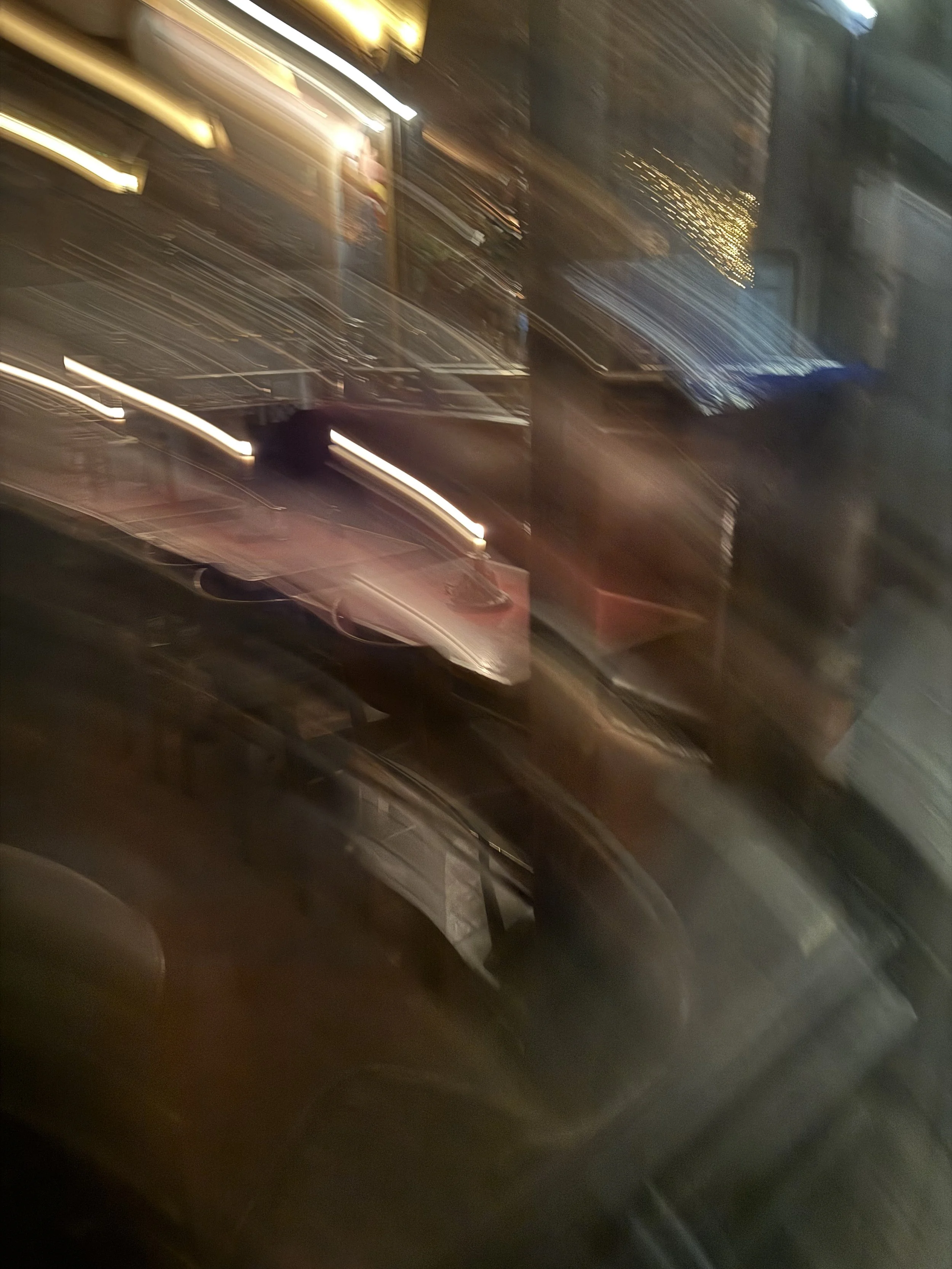
This project recovers and restores images discarded as trash—those branded failures by the unforgiving standards of visual legibility and social performance. It privileges the "bad" photograph: motion-blurred, badly framed, accidentally crowded, irrelevant, or unflatteringly candid. These are the images we delete in reflex—swept from phone galleries, condemned to the trash bin, or ignored in the margins of supposedly successful shots: the unintended bystander, the relative mid-sneeze, the friend caught in an unguarded instant.
By salvaging these out-of-control fragments—from personal archives, friends' purged rolls, public-domain discards, or open calls for submissions—the project uncovers a reality that curated photography actively suppresses. Behind every deleted, flawed capture of a familiar face lies unfiltered authenticity: no pose, no staging, no engineered "good" image. What remains is the raw, accidental surge of existence—an eruption that denies polished otherness and refuses containment.
Through painting, these rejected originals are neither fixed nor apologized for. Each canvas starts with a specific trashed image and is translated in oil, acrylic, or mixed media to intensify its disorder: blur becomes pulsing, directional energy; awkward composition becomes deliberate decentering; the photo crasher becomes a ghostly, equal co-occupant. The act of painting does not redeem the flaw—it amplifies it, insisting that the uncontrolled is not a mistake to erase but the site where genuine life persists.
Conceptually, "The Out-Of-Control Imagee" critiques the micro-violence of everyday image hygiene: how we purge the surplus, the glitch, the unintended to sustain fantasies of mastery and coherence. By placing trash images at the center, the series exposes the segregated vitality beneath visual culture—where meaning lives not in the controlled frame, but in the accident, the error, the excess that escapes definition. The paintings affirm refusal: they do not improve their sources; they celebrate the refusal to be improved.
The project develops in series ("Imagee Crashers," "Blurred Imagees," "Deleted Imagees") and can expand into exhibitions that display source discards alongside paintings, public image-recovery calls, or editions that re-release the recovered works into circulation.