ARCHEA GRAMMIS
Sensory apparatus / Perceptual intervention installation
https://nedkowater.github.io/Archea-Grammis/
Human reality is what the senses deliver. Everything we think, feel, remember, and know is built on that delivery. If the sensory frame changes, the reality that depends on it is no longer secure.
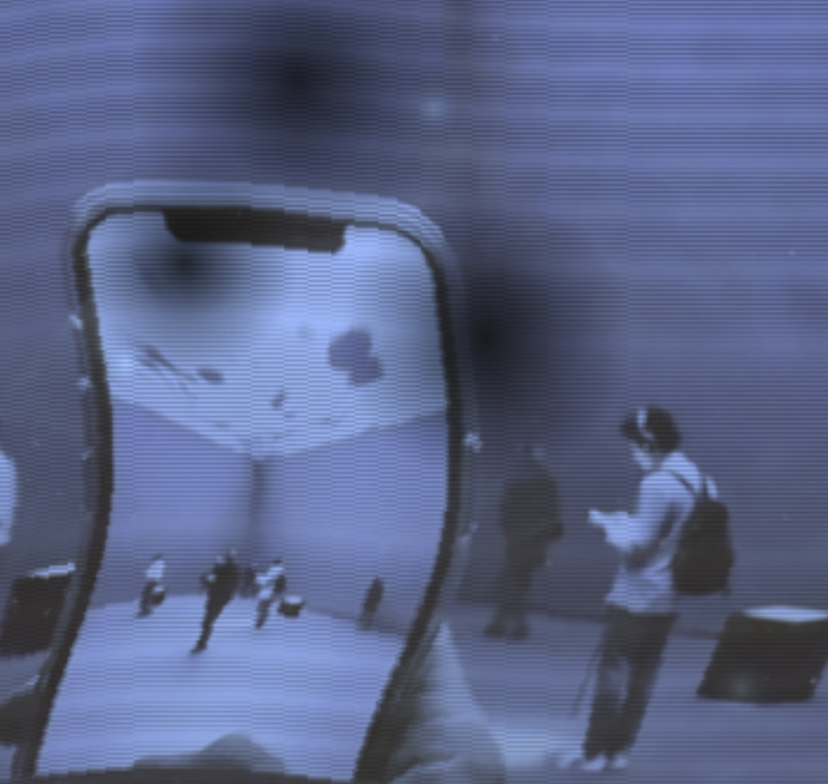
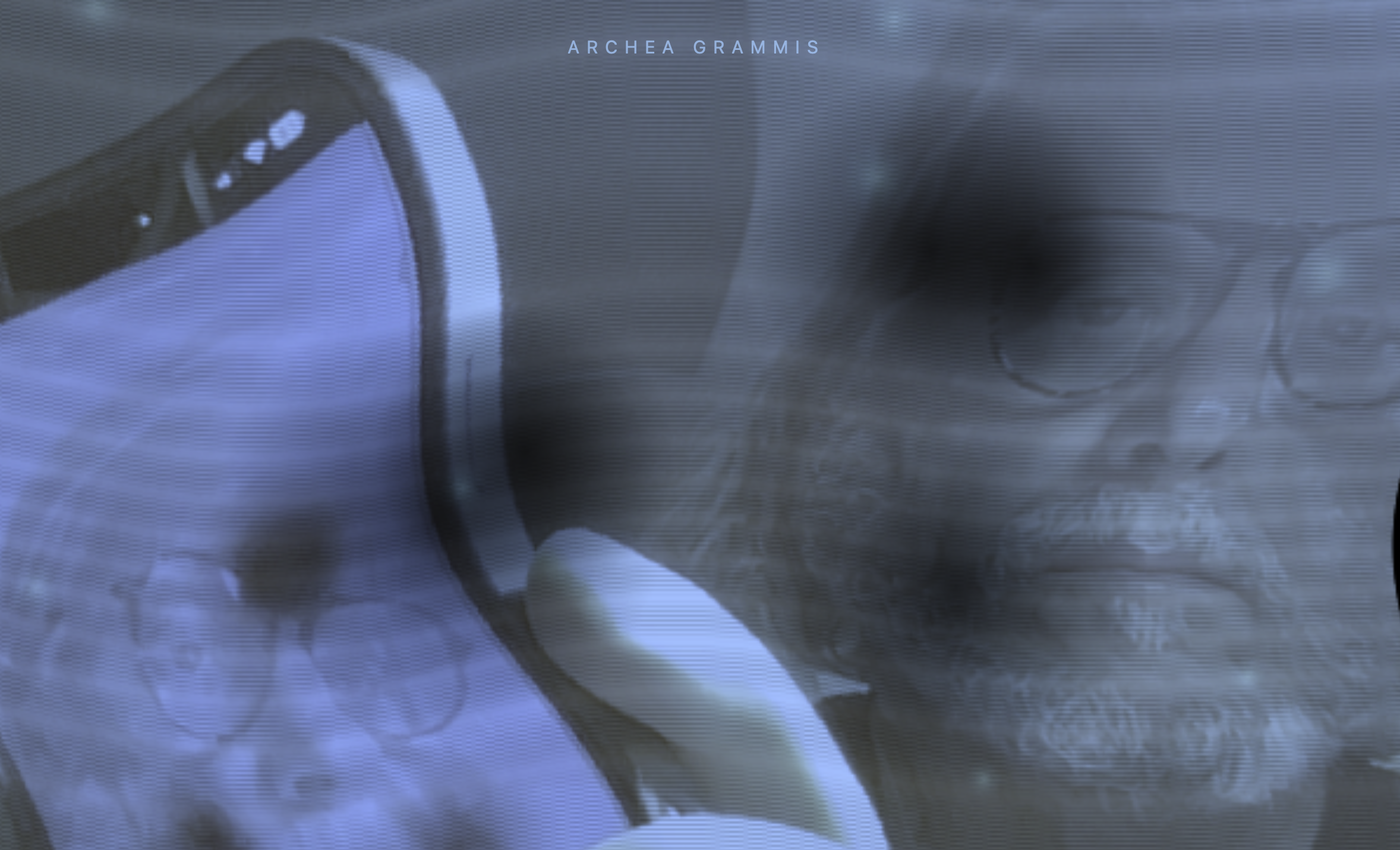
ARCHEA GRAMMIS is an experimental apparatus that uses the smartphone as a portable organ. The image and the sound are continuously deformed into a low-pressure audiovisual continuum. The work does not claim to give the viewer the senses of any ocean species. It interferes with the human sensory baseline itself.
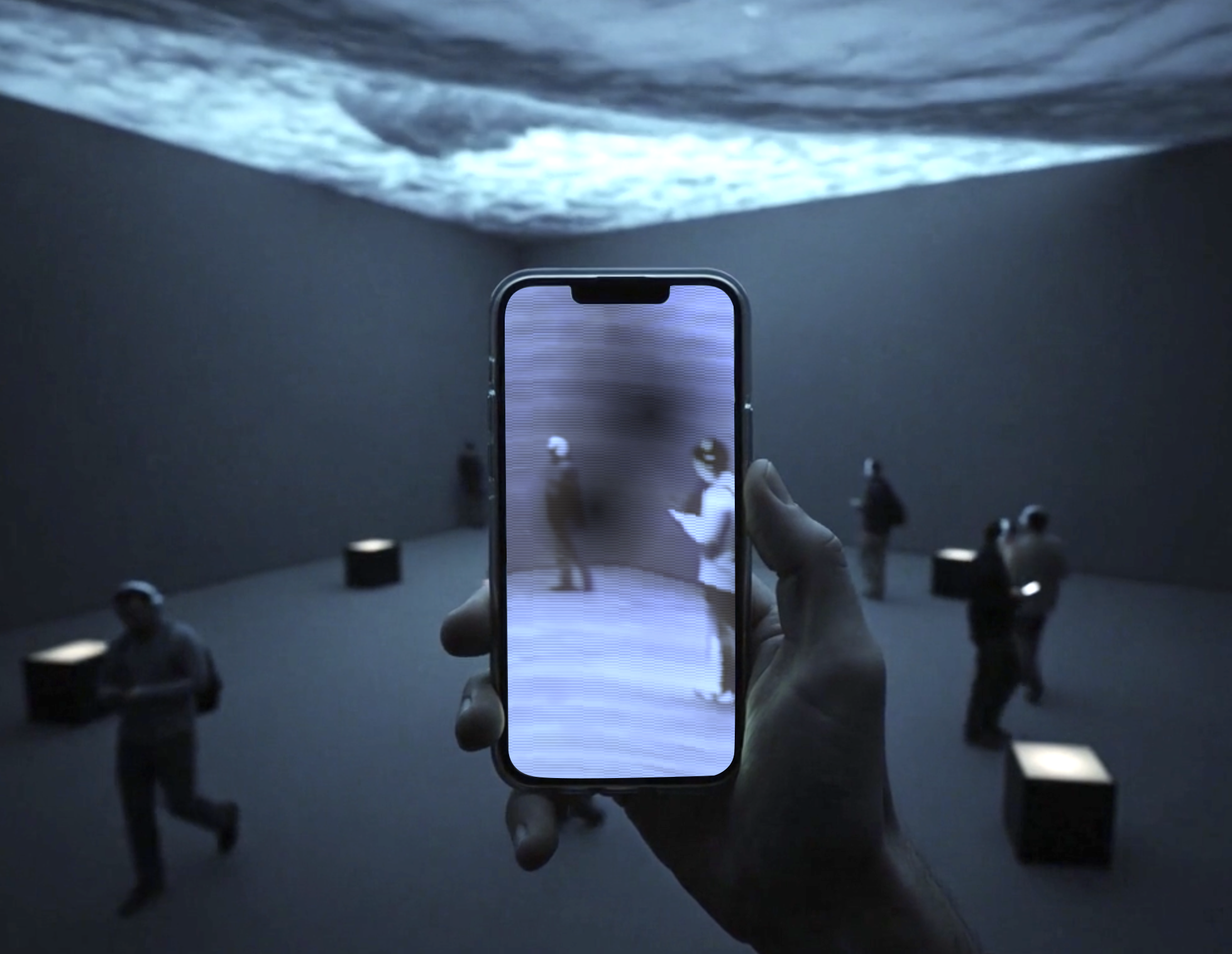
The gallery is only an activation. A dim blue-gray room and continuous heartbeats introduce the altered field, giving it weight. The gallery is a threshold, not the destination.
The real work begins when the visitor leaves, the page still open, and later turns the camera toward ordinary life — a friend’s face, a kitchen, a street, their own hands. The force of the apparatus is strongest when pointed at what is already familiar.
The central question is simple: What if everything we know about reality is only the portion that human sensitivity can register, and what happens when that portion is no longer taken as foundational?
ARCHEA GRAMMIS does not answer the question. It creates the conditions under which the question can be felt.
Gallery Setup
Space
One medium-sized room, preferably without windows or with windows fully blacked out.
Walls and floor in a neutral, matte, dark blue-gray.
Very low ambient light. The space should feel quiet and slightly heavy, never theatrical or black-box dramatic.
No pedestals, no screens, no explanatory videos, no images on the walls.
Sound
Four small, identical, discreet sound sources — one in each corner of the room, placed low (near the floor or just above it).
Each plays only a continuous, soft heartbeat at a fixed rate:
Corner 1: Blue whale — 4–6 bpm
Corner 2: Narwhal — 8–12 bpm
Corner 3: Swordfish — 40–50 bpm
Corner 4: Seahorse — 90–110 bpm
Volume is kept low. The pulses should be felt more than heard when standing in the center, and become clearer only when approaching a corner. No other sound is present in the room.
Visitor experience inside the gallery
A simple wall text or a small printed card near the entrance provides the title and a short conceptual text (the final version we settled on).
A QR code or short URL leads directly to the ARCHEA GRAMMIS page.
Visitors use their own smartphones and headphones.
No instructions about what to look at. No list of suggested subjects.
The room itself is the activation field. Visitors walk and stand near different heartbeats, then open the apparatus.
After the gallery
The real site of the work is outside. Visitors leave with the page still open (or easily reopen it) and are free to turn the camera toward ordinary life. The gallery does not try to control or document this later use.
Technical notes
The four sound sources should be reliable, looped, and independent of the phones.
Lighting must remain constant and low throughout the exhibition.
No seating that encourages long contemplative stays. The space is a threshold, not a lounge.
This setup keeps the gallery secondary and precise. It activates the sensory displacement without trying to complete or explain it.